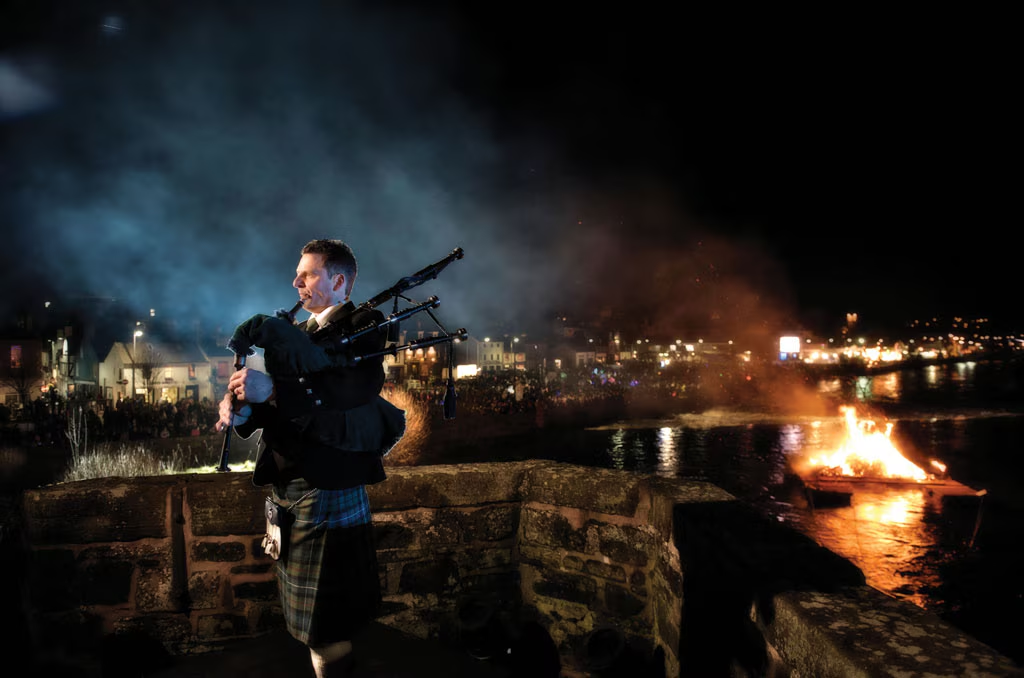
Burns Night is held on the 25th of January because that is the birthday of Robert Burns — born in 1759 in the village of Alloway in Ayrshire, and known across Scotland and the world simply as Rabbie. The son of a tenant farmer, he grew up working the land, and he wrote the way ordinary Scots actually spoke, in the broad Scots tongue as readily as in English. It made him a poet for everyone, and it is why, more than 260 years on, he is still spoken of with the affection you keep for a friend rather than the distance you keep for a statue.
Robert Burns gave us words the whole world now sings without always knowing whose they are. Auld Lang Syne, joined hand-to-hand every New Year from Edinburgh to Toronto, is his. So are A Red, Red Rose, the tender To a Mouse — with its ‘best-laid schemes o’ mice an’ men’ — the galloping Tam o’ Shanter and the rousing Scots Wha Hae. He wrote fast and lived hard, and was gone by 1796 at just thirty-seven, but he left behind the voice of a nation.
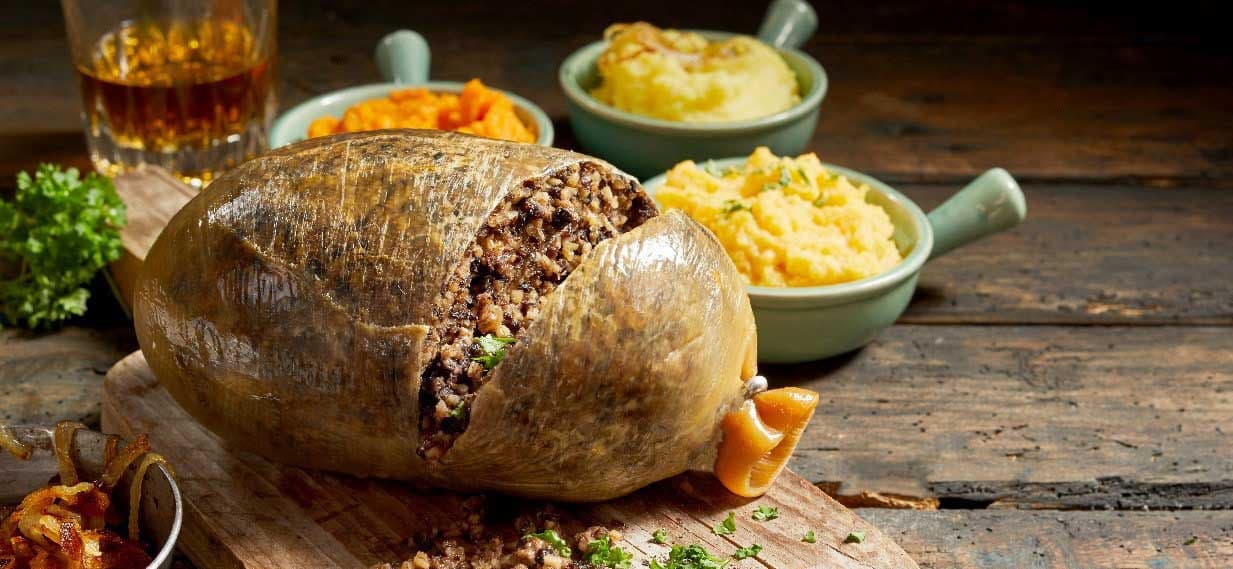
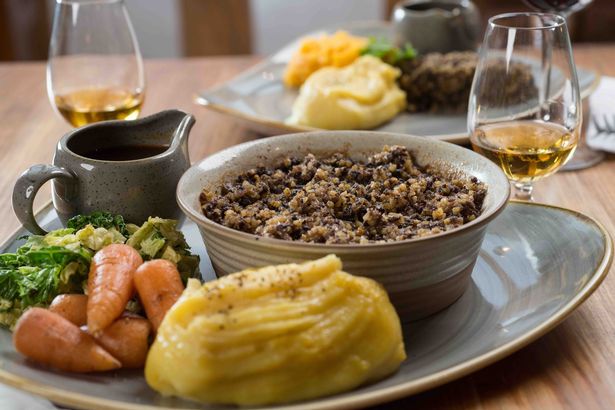
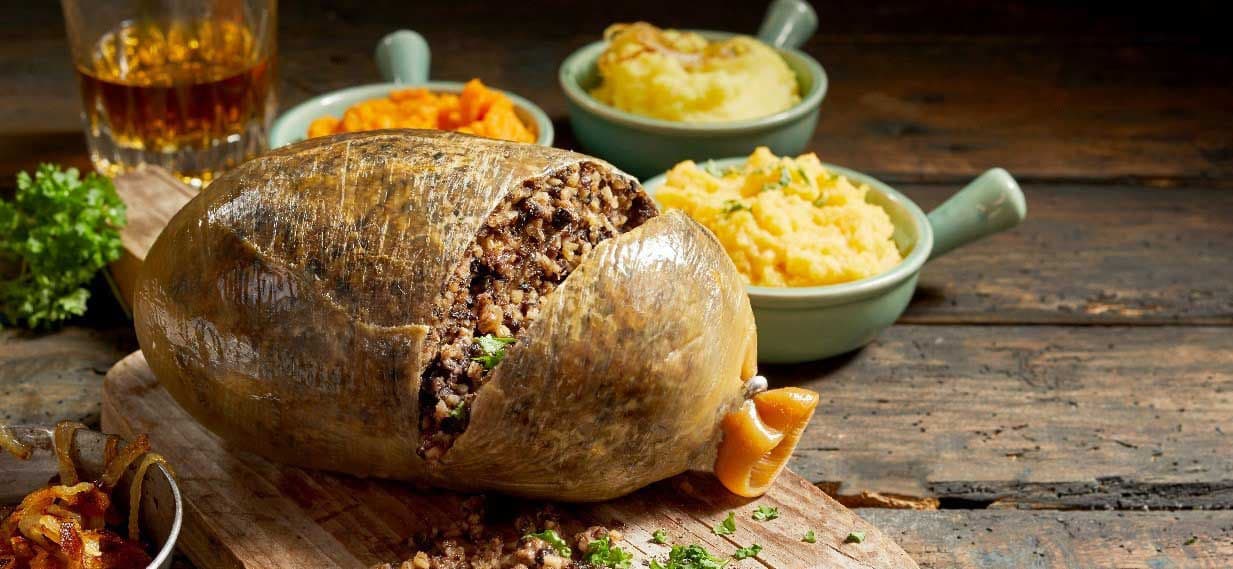
Among all of it sits one short, funny, deadly-serious poem that made Burns Night what it is: the Address to a Haggis, written in 1786. ‘Fair fa’ your honest, sonsie face, great chieftain o’ the puddin-race’ — a mock-heroic ode to a humble supper, and the reason a haggis is still carried to the table with real ceremony every January.
- Born 25 January 1759 in Alloway, Ayrshire — Scotland’s national poet, the Bard of Ayrshire
- Wrote Auld Lang Syne, A Red, Red Rose, To a Mouse, Tam o’ Shanter and the Address to a Haggis
- Known affectionately as Rabbie Burns; died in 1796, aged just 37